
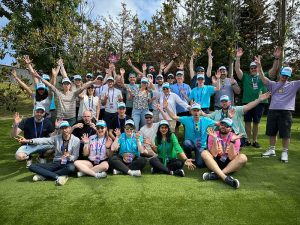



Earlier this month, I had the chance to attend DevCon 2025, one of Romania’s leading technology conferences. Held on November 5–6 in Bucharest, the event gathered IT professionals, developers, and industry leaders for two packed days of sessions, demos, and discussions.
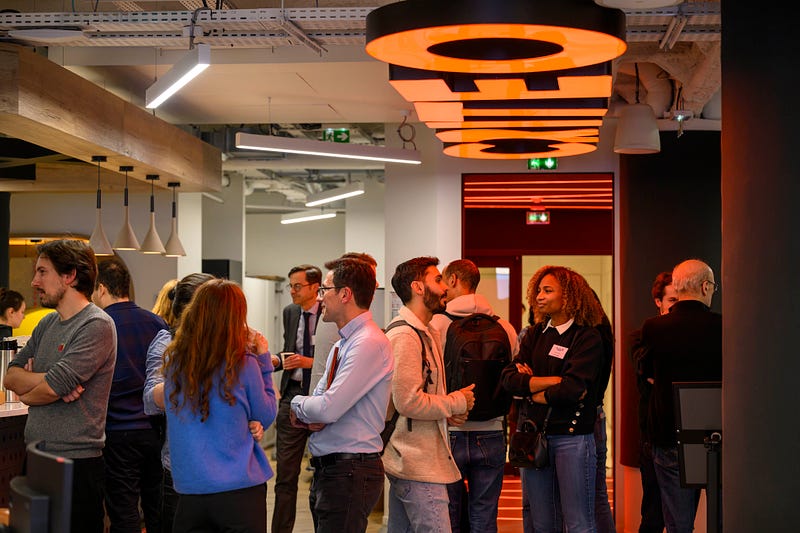
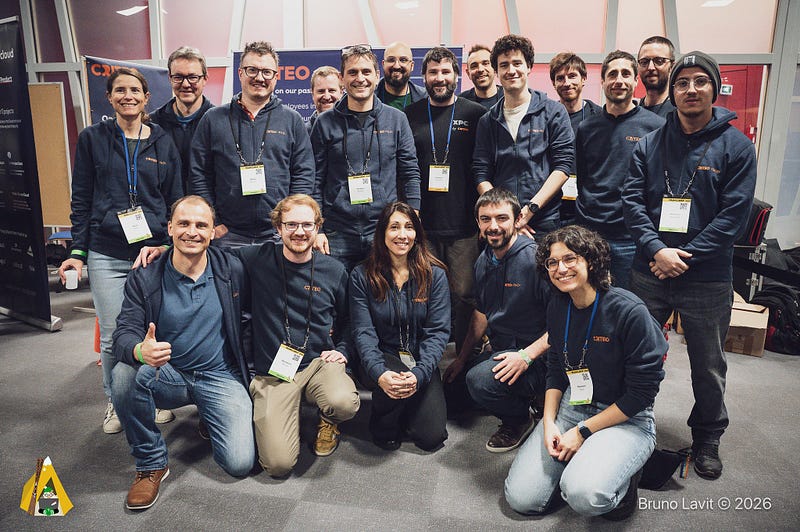
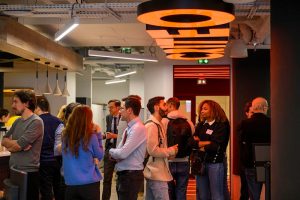
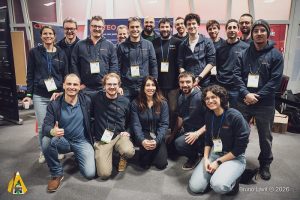
For me, it was also a great opportunity to meet my teammates in person, as they are all based in Bucharest, and to exchange ideas with other participants about the work we do. The atmosphere was energetic and curious, with topics ranging from AI and data to UX, DevOps, and frontend innovation.
Supporting the tech community in Bucharest
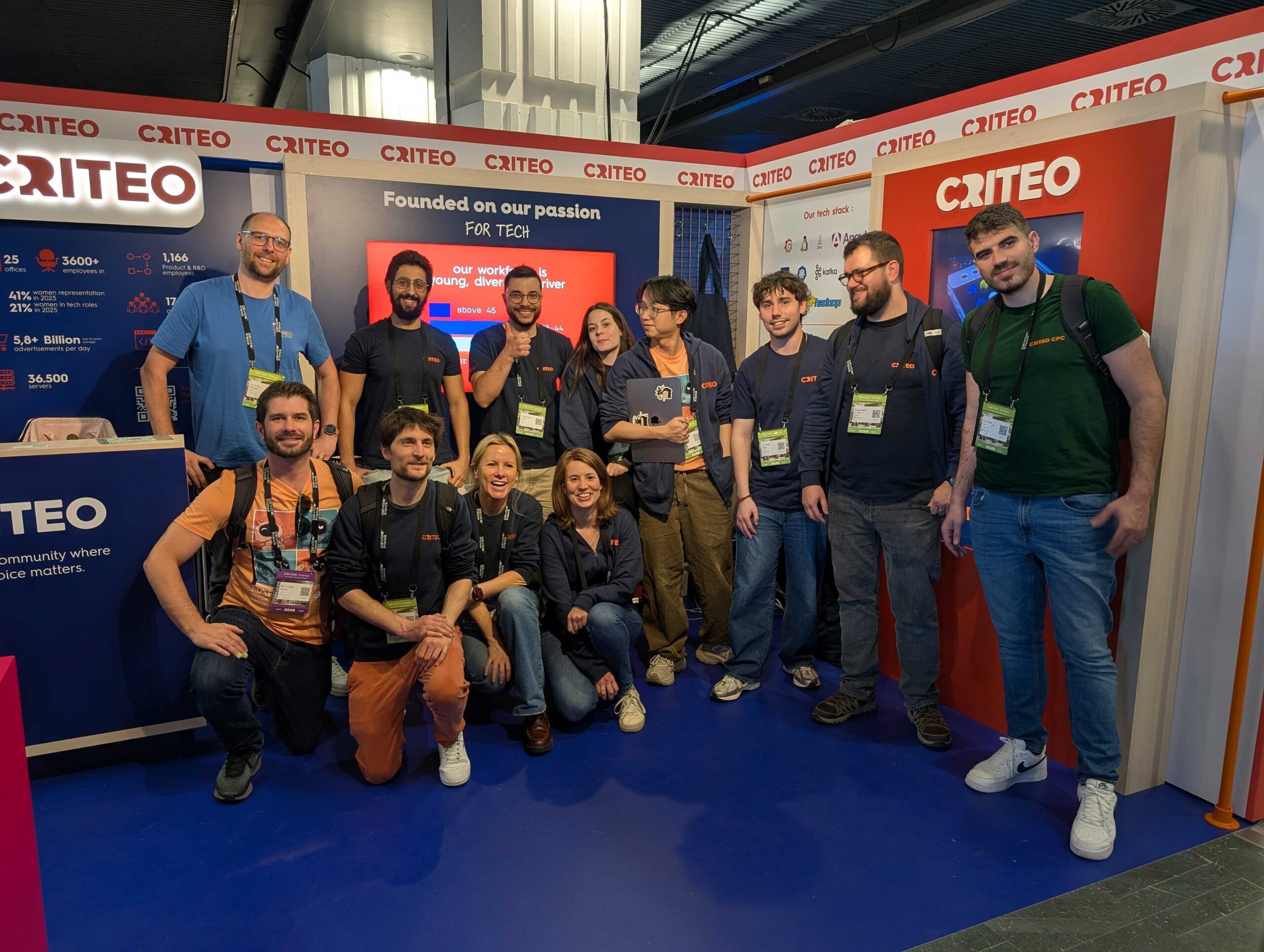
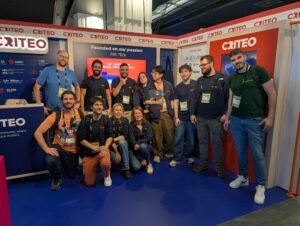
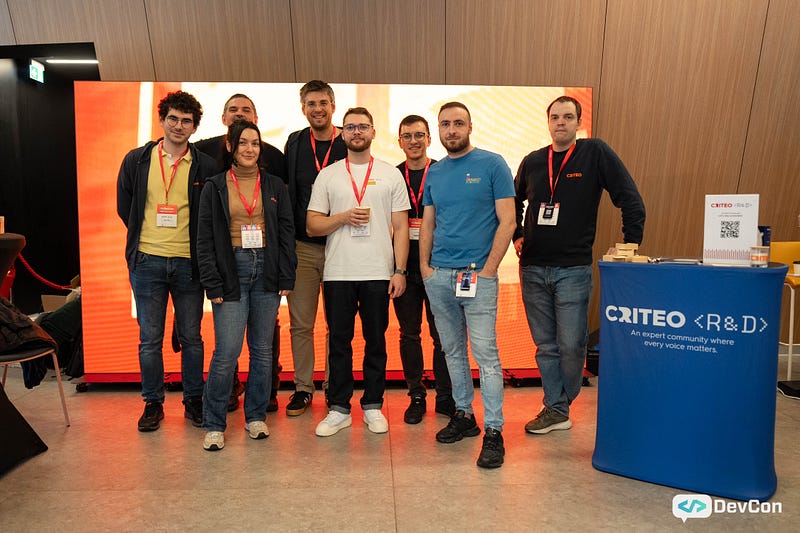
Last week, we opened a Criteo R&D office in Bucharest and are thrilled to create this new hub for our tech team. This gives us the opportunity to support local communities, both through conferences and meetups. For DevCon, we have had the opportunity to partner on the DevOps stage and have a booth at the event. As I said before, I had countless conversations with other attendees and they all were quite interested in Criteo, our Tech Stack and our daily challenges.


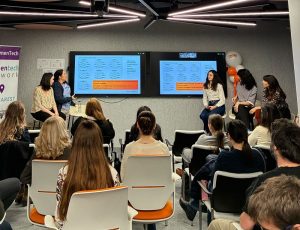
Furthermore, two of our Criteos in Bucharest, Cătălin Stan (SRE / Staff SRE at Criteo) & Diana Cibu (Senior SDE Lead at Criteo), were speakers and delivered a great talk about “Good Dev Environment in the AI Era”. I might be a bit biased, but this talk was one of the most practical sessions of the conference.
Cătălin and Diana explored how the definition of a good development environment has evolved, and what it means to design for productivity in the AI era. They discussed how AI introduces new challenges in building pipelines, automation, and observability, and showed examples of how we approach these at Criteo.

It was great to see the audience’s interest in how our internal tools and DevOps culture support engineers working across complex, large-scale systems.
Talks, My Top Three
Below are a few of the sessions that stood out to me the most and what I took away from them.
MCP-UI and the Future of Interactive Conversations
Speaker: Glenn Reyes, Staff Frontend Engineer at Adverity
This was one of my favorite talks. Glenn explored how user interaction with software is fundamentally shifting. People are no longer opening apps, they’re talking to them.
He introduced MCP-UI, a React and Web Component–based framework for building interactive UIs within conversational interfaces. The core idea is moving from state-driven to intent-driven components, where components express intent rather than modifying state and the agent remains the single source of truth.
That shift from state management to intent orchestration feels like a natural evolution for frontend systems designed to integrate with AI-driven experiences. It opens interesting paths for adaptive UIs that respond dynamically to user context and intent. This talk made me want to explore and learn more about this topic. If you are too interested, you can look at the MCP-UI doc here.
When Code Starts Thinking
Speaker: Lucian Cioranu, Director of Data Engineering at Tremend — Publicis Sapient
This talk looked at how the relationship between developers and code is changing as AI becomes a collaborative partner rather than just a tool.
Lucian presented a fascinating experiment: instead of migrating legacy codebase directly, he asked an LLM to first model the application by generating UML diagrams and mapping out the app architecture before generating the new code in a different tech stack.
While manual refinement was still necessary, the approach dramatically reduced time spent on understanding dependencies and design decisions.
As my team is currently evaluating a migration of one of our application from Scala to C#, I found this session both relevant and inspiring. It showed how AI can support architectural reasoning, not just code generation.
Beyond Innovation: The Era of Meaningful Tech
Speaker: Cristina Călin, Senior IT Project Manager at MassMutual Romania
Cristina’s talk was a great reminder that innovation isn’t just about speed. It’s about direction.
She encouraged us to shift from building fast to building with purpose, asking not “Can we?” but “Should we?”
A few ideas that stuck with me:
- “Real speed doesn’t come from moving faster, but from moving together.”
- The new innovation triad: Useful, Inclusive, Enduring.
- She also gave us actionable steps on how to conduct a Meaning Audit. Defining success concretely, identifying inclusion gaps early, and designing for long-term sustainability.
Her example about optimising aviation routes to reduce climate impact without sacrificing efficiency was a perfect illustration of innovation aligned with intent.
DevCon 2025 was a great reminder that technology is evolving on multiple fronts, and that AI continues to be one of the most transformative forces in our field.
What stood out to me most was how the conference connected intent, intelligence, and impact in very tangible ways:
- Intent-driven architectures that make interfaces smarter and more adaptive.
- Intelligent tools that extend developers’ reasoning instead of replacing it.
- And an emphasis on engineering for longevity, not just short-term gains.
At Criteo, these ideas strongly resonate with our daily work — whether it’s improving developer experience, scaling our internal platforms, or finding responsible ways to integrate AI into our workflows.
It was energising to be surrounded by people who share the same curiosity for the future of software and to exchange ideas.
If DevCon proved anything this year, it’s that the next big leap in engineering won’t come from writing more code. It will come from designing systems that can understand, adapt, and evolve alongside us.