


















Csharp
-
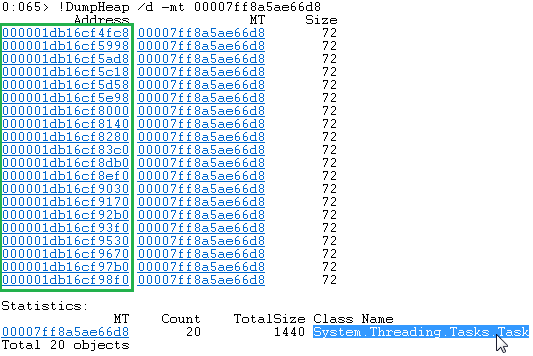
ClrMD Part 5 — How to use ClrMD to extend SOS in WinDBG
This fifth post of the ClrMD series shows how to leverage this API inside a WinDBG extension. The associated code allows you to translate a task state into a human readable value. Part 1: Bootstrap ClrMD to load a dump. Part 2: Find duplicated strings with ClrMD heap traversing. Part 3: List timers by following static…
-
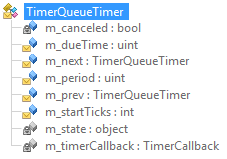
ClrMD Part 4 — What callbacks are called by my timers?
This fourth post of the ClrMD series digs into the details of figuring out which method gets called when a timer triggers. The associated code lists all timers in a dump. Part 1: Bootstrapping ClrMD to load a dump. Part 2: Finding duplicated strings with ClrMD heap traversing. Part 3: List timers by following static fields…
-
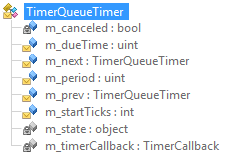
ClrMD Part 3 — Dealing with static and instance fields to list timers —
This third post of the ClrMD series focuses on how to retrieve value of static and instance fields by taking timers as an example. The next post will dig into the details of figuring out which method gets called when a timer triggers. As an example, the associated code lists all timers in a dump…
-
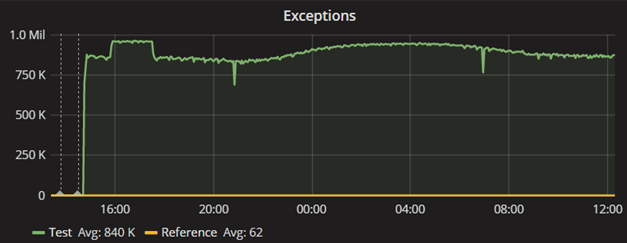
RyuJIT and the never-ending ThreadAbortException — Criteo Labs
When you see this, you know for sure that something is wrong with a server: This chart counts the number of first-chance exceptions thrown by the server. We have here an average of 840K exceptions thrown per minute, or 14K exceptions per second. That’s a lot, especially considering that this server only processes about 400…
-
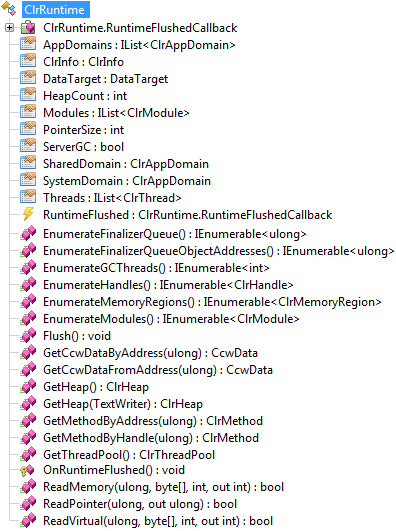
ClrMD Part 2 — From ClrRuntime to ClrHeap or how to traverse the managed heap
This second post in the ClrMD series details the basics of parsing the CLR heaps. The associated code checks string duplicates as sample. Part 1: Bootstrapping ClrMD to load a dump. From ClrRuntime to ClrHeap or how to traverse the managed heap In the previous post, we have boostrapped the code needed to load a memory dump…