
















Engineering
-
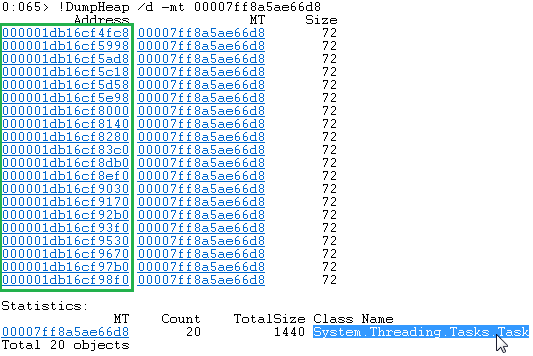
ClrMD Part 5 — How to use ClrMD to extend SOS in WinDBG
This fifth post of the ClrMD series shows how to leverage this API inside a WinDBG extension. The associated code allows you to translate a task state into a human readable value. Part 1: Bootstrap ClrMD to load a dump. Part 2: Find duplicated strings with ClrMD heap traversing. Part 3: List timers by following static…
-
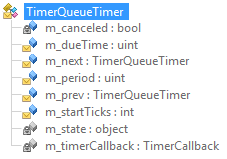
ClrMD Part 4 — What callbacks are called by my timers?
This fourth post of the ClrMD series digs into the details of figuring out which method gets called when a timer triggers. The associated code lists all timers in a dump. Part 1: Bootstrapping ClrMD to load a dump. Part 2: Finding duplicated strings with ClrMD heap traversing. Part 3: List timers by following static fields…
-
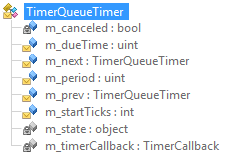
ClrMD Part 3 — Dealing with static and instance fields to list timers —
This third post of the ClrMD series focuses on how to retrieve value of static and instance fields by taking timers as an example. The next post will dig into the details of figuring out which method gets called when a timer triggers. As an example, the associated code lists all timers in a dump…
-
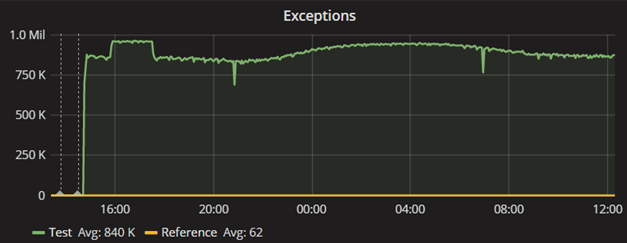
RyuJIT and the never-ending ThreadAbortException — Criteo Labs
When you see this, you know for sure that something is wrong with a server: This chart counts the number of first-chance exceptions thrown by the server. We have here an average of 840K exceptions thrown per minute, or 14K exceptions per second. That’s a lot, especially considering that this server only processes about 400…
-
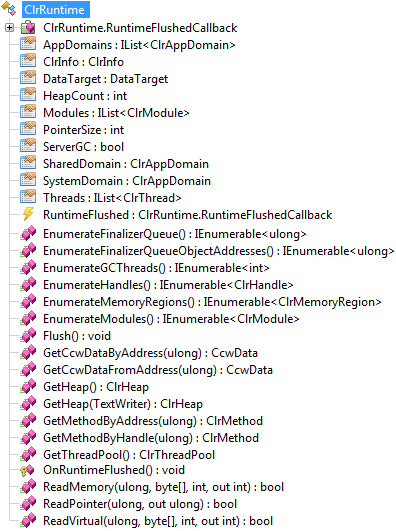
ClrMD Part 2 — From ClrRuntime to ClrHeap or how to traverse the managed heap
This second post in the ClrMD series details the basics of parsing the CLR heaps. The associated code checks string duplicates as sample. Part 1: Bootstrapping ClrMD to load a dump. From ClrRuntime to ClrHeap or how to traverse the managed heap In the previous post, we have boostrapped the code needed to load a memory dump…
-
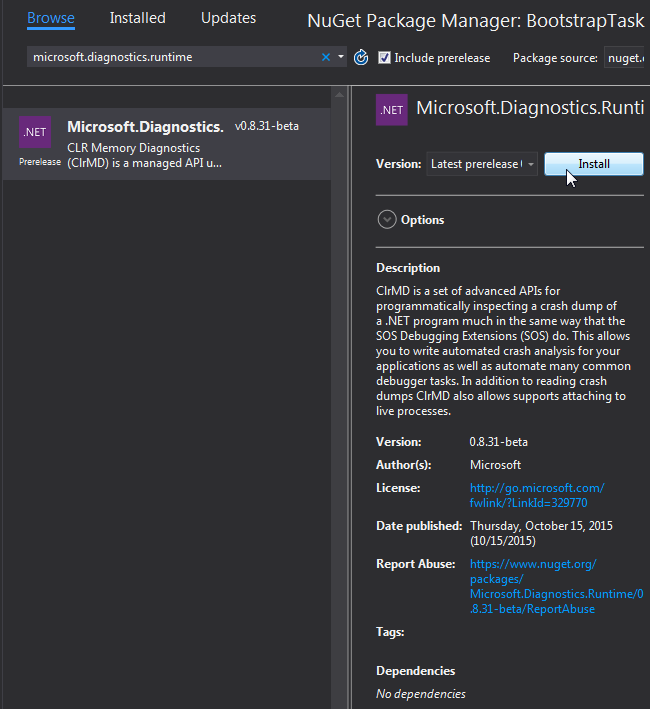
ClrMD Part 1 — Going beyond SOS — Criteo Labs
A little bit of context Thousands of servers are closely monitored at Criteo and when inconsistent behaviors are detected, an investigation is started based on these deviant machines. The level of details provided by the monitoring is close to what is provided by performance counters. Our team is using them to guess where the problem could…
-

Code Review at Criteo
Taking Care of our Engineering Culture… One Toilet at a Time! Introduction to Code Review When I first joined Criteo, code review was still a new thing in the culture. Taking a page from industry best practices, the DevTools team (the guys whose mission it is to make our lives easier) had installed , an open source…
-
Building the Cross Device Graph at Criteo
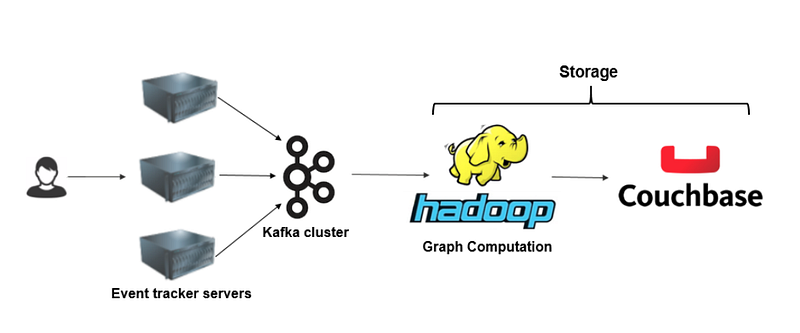
Universal Match The purpose of Universal Match, Criteo’s cross-device solution, is to accurately and consistently identify users across multiple environments and devices along with the associated shopping intent. In the past year, we have been changing the whole Criteo platform to leverage all the shopping history across all devices for a single user, leading to…
-
Memory Optimization
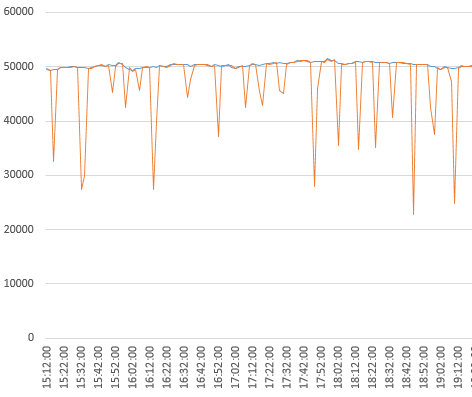
Over here at Criteo we have a few apps that need to be “real time”. By that we mean we should respond in average below 10ms and never above 60ms. A failure to answer means a missed chance to buy an opportunity to display an ad. Ads are our business, we can’t miss a display.…
-

Correlated random numbers
Hunting a bug in one of our metrics, we recently discovered a very unexpected correlation in our data, between two actions that we make using pseudo random numbers. Isolating the code responsible for this, we discovered that we had indeed a very tricky bug in our use of pseudo random numbers. After removing all the…